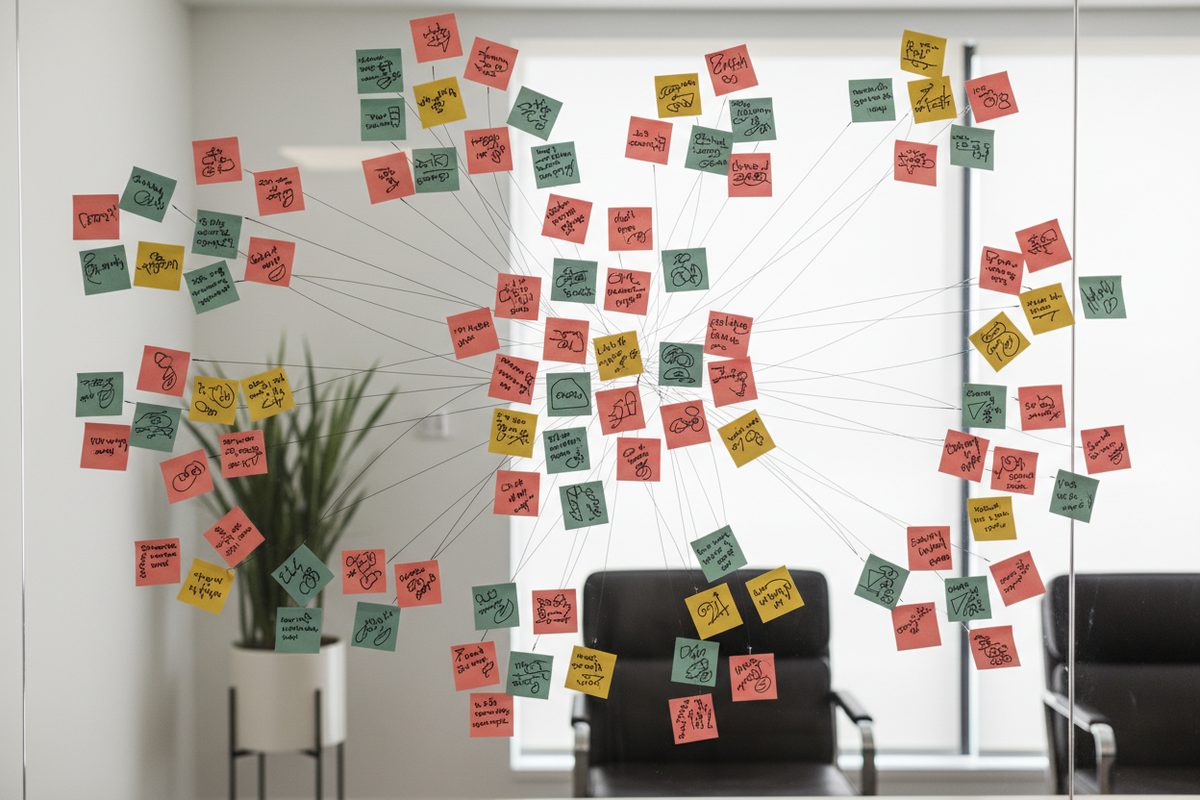
Why Named Trends Matter
In 2017, a futurist consultant told Constellation Brands executives they’d be “missing the boat” if they didn’t think about cannabis. That conversation directly catalyzed Constellation’s initial $245 million investment in Canopy Growth — later expanded to $5+ billion, the largest consumer products investment in a cannabis company.
Cultural trend forecasting has the power to move billions. Yet nobody is doing it systematically for cannabis. Current cannabis “trends” are really category observations: pre-rolls are growing, beverages are emerging. Underlying cultural shifts are tracked as isolated data points but not organized into a named framework with predictive power.
The Green Forecast changes that.
Our Named Trend Framework
Each named trend represents a cultural movement — not a product category or sales metric, but a shift in how people think about, use, and relate to cannabis. Each trend is tracked with evidence, a timeline, a confidence level, and cross-industry implications.
The Green Social
Cannabis replacing alcohol in social occasions.
62% of cannabis consumers say they prefer cannabis over alcohol. Cannabis lounges, infused dinner parties, and “sober curious” social events are creating new consumption occasions that directly displace alcohol. This isn’t about getting high instead of drunk — it’s about cannabis becoming the default social lubricant for a generation that drinks less than any before it.
Key signals: Cannabis beverage growth (fastest-growing category), alcohol industry defensive investments (Constellation, Molson Coors), consumption lounge legislation, “dry bar” movement overlap.
Cannabinoid Literacy
Consumers becoming ingredient-savvy about cannabinoids.
The era of “indica vs. sativa” is ending. Consumers are learning to select products by cannabinoid and terpene profile — choosing CBN for sleep, THCV for energy, specific terpene combinations for targeted effects. This mirrors the broader consumer trend toward ingredient transparency in food, skincare, and supplements.
Key signals: Minor cannabinoid product launches (CBN, CBG, THCV), lab testing as a marketing tool, “effects-based” product categorization replacing strain names, dispensary staff training programs.
Precision Wellness
Occasion-specific formulations and microdosing.
42% of edible consumers prefer doses of 10mg or less. The market is shifting from “how high can you get” to “what effect do you want, for how long, at what intensity?” Products designed for specific occasions — sleep, focus, socializing, recovery — are replacing generic “get stoned” products.
Key signals: Low-dose product proliferation, “functional cannabis” branding, nano-emulsion technology (faster onset, shorter duration), cannabis + adaptogens combinations.
The Pharmaceutical Crossover
Cannabis consumers systematically replacing prescription medications.
64% of cannabis consumers prioritize relaxation over intoxication. Millions of Americans are using cannabis as a de facto pharmaceutical — for anxiety, pain, sleep, and PTSD — often without medical guidance. This creates both opportunity (validated therapeutic demand) and risk (unsupervised drug substitution).
Key signals: TryCannabis.org “Reducing Pharmaceuticals” section traffic, patient self-reporting surveys, prescription drug spending data in legal vs. non-legal states, healthcare provider cannabis education programs.
The Tourism Awakening
Destinations discovering cannabis as an economic driver.
50% of Millennials factor cannabis into vacation planning. Tourism boards are beginning — slowly, tentatively — to acknowledge cannabis as a visitor attraction. The Oakland Cannabis Trail, the Modesto CannaPass, and the Destinations International task force represent the earliest institutional recognition of a $10–17B market that tourism has historically refused to measure.
Key signals: Tourism board cannabis programs, consumption lounge legislation in tourist markets, cross-border sales data (Illinois), hotel industry cannabis policies.
The Great Correction
The industry contracting to sustainable economics.
The cannabis industry is normalizing — and normalization means consolidation, closures, and the end of the gold rush mentality. Only 27.3% of operators are profitable. Licenses are declining. Investment has cratered. This isn’t a crisis — it’s a correction. The operators and markets that emerge from it will be the industry’s long-term winners.
Key signals: License contraction data, VC investment decline, MSO consolidation, state-level market maturity curves, wholesale price stabilization in mature markets.
Preview. These named trends are previews from the upcoming Green Forecast debut issue. The full report includes additional trends, detailed evidence, confidence levels, timeline projections, and cross-industry implications. Join our newsletter to be notified when it publishes.
How We Score Trends
Each named trend in the Green Forecast includes:
- Definition — a clear, one-sentence description of the movement
- Evidence base — the quantitative and qualitative signals supporting the trend
- Confidence level — High, Moderate, or Directional (see Quality Standards)
- Timeline — which forecast horizon applies (12–18 month tactical, 3–5 year strategic, or 10–25 year cultural)
- Cross-industry implications — how the trend affects adjacent industries (alcohol, pharma, hospitality, etc.)
- Scorecard tracking — specific, falsifiable predictions we will track on our prediction scorecard